
Stop Shifting Blame. Bondi Was Not an ISIS Attack.
Pro-Palestine activists insist that the Bondi terror attack was an ISIS operation and therefore nothing to do with them or their calls to 'globalise the intifada'. The only problem is - ISIS isn't fighting Jews.
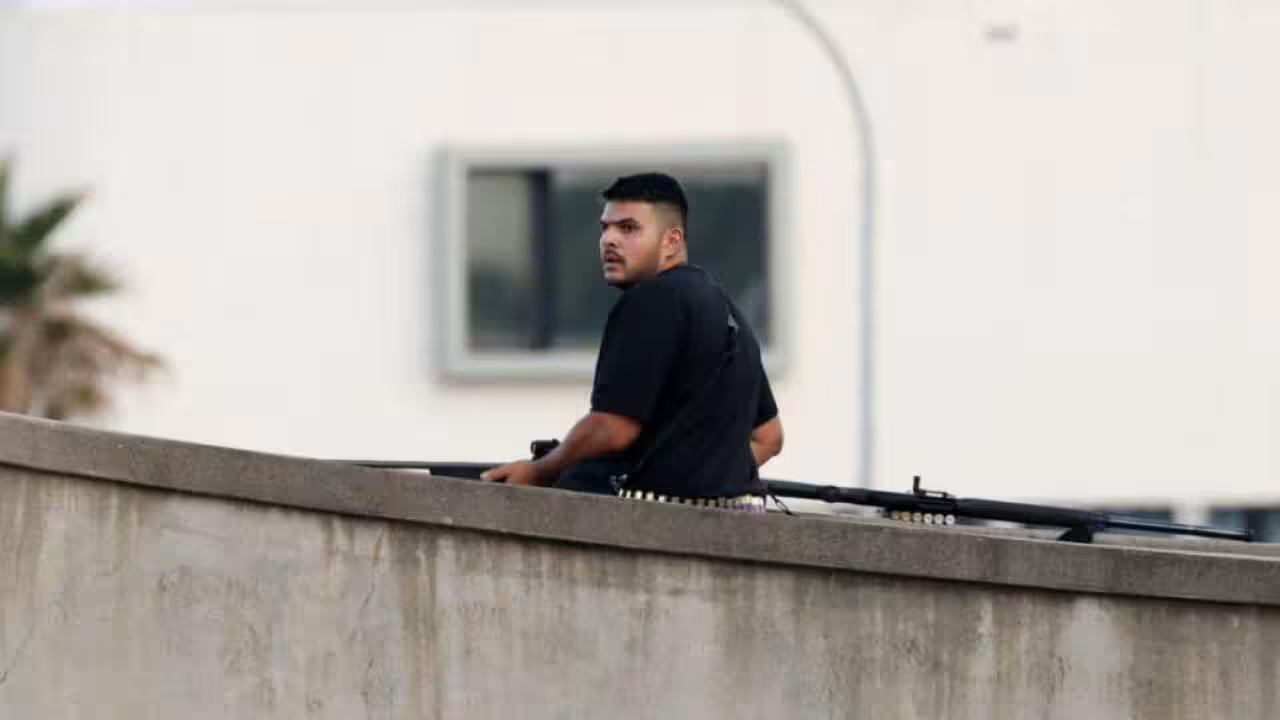
The shooting, which claimed 15 lives during a Hanukkah celebration, has been labeled an "ISIS-inspired" terrorist attack by authorities. Father-son duo Sajid Akram, 50, originally from India, and his Australian-born son Naveed Akram, 24, opened fire on a crowd of Jewish Australians, displaying an ISIS flag and leaving a trail of devastation in one of Australia's most iconic locations. While the perpetrators had documented links to ISIS - including alleged travel for training and ideological alignment - the rush to pin this on the Islamic State overlooks deeper motivations tied to the Israel-Palestine conflict. This attack was fundamentally in support of Palestine and Hamas, with ISIS elements serving as a convenient veneer or opportunistic claim.
First, let's address the core mismatch: ISIS isn't inherently at war with Jews or Israel in the way the narrative suggests. Historically, ISIS's ideology focuses on establishing a caliphate, targeting Shia Muslims, apostates, and Western symbols far more than Jewish communities. In fact, accusations of collaboration between Israel and ISIS-affiliated groups have persisted for years, particularly in the Sinai Peninsula and Gaza. As recently as 2025, Israeli opposition figures like Avigdor Lieberman accused the Netanyahu government of arming ISIS-linked militias in Gaza - such as those led by Yaser Abu Shabab - to undermine Hamas. These groups, while jihadist, have pragmatic ties that contradict any notion of ISIS as a dedicated anti-Jewish force. Why would ISIS suddenly pivot to targeting Jewish Australians when their global operations show no such pattern? In 2025, ISIS-linked attacks worldwide - including foiled plots in Europe and strikes in the Middle East - predominantly hit diverse or non-Jewish targets, like Christmas markets or general civilian gatherings. Not a single confirmed ISIS attack explicitly zeroed in on Jewish victims, underscoring the anomaly of Bondi.
This brings us to Australia's own history with ISIS. Prior incidents, such as the 2014 Lindt Cafe siege in Sydney or the 2017 Brighton hostage crisis, involved lone wolves or small groups attacking symbols of authority or random civilians - not Jewish-specific targets. The Bondi attack breaks this mold, but it aligns perfectly with a surge in antisemitic violence tied to the Israel-Palestine conflict. Since the October 7, 2023, Hamas attacks and Israel's subsequent Gaza offensive, Australia has seen an unprecedented spike in antisemitic incidents - over 1,000 reported in the two years leading up to Bondi, a 316% increase from pre-war levels. Many of these, including assaults on synagogues and graffiti like "Israel commits genocide" at Bondi itself just weeks before the shooting, stem from pro-Palestine activism gone extreme, not ISIS recruitment drives. The Akram duo's presence at the controversial October 7 "celebrations" at the Sydney Opera House - rallies marked by pro-Palestine chants of "gas the Jews" - further ties them to this context.
Digging into the attackers' backgrounds reveals more. Naveed Akram, a bricklayer by trade, was known to authorities as a follower of pro-Palestine preachers and had expressed anti-Zionist views online, condemning "Zionist actions" in Gaza. This rhetoric mirrors the language of Hamas sympathizers rather than ISIS's broader anti-Western jihad. Sajid, who immigrated from South Asia, reportedly underwent firearms training with his son, but their radicalization path appears rooted in the Gaza conflict's spillover. Reports indicate they may have traveled to the Philippines for potential ISIS-linked training, yet this could be an overlap - many radicals dabble in multiple ideologies without full commitment. ISIS's post-attack praise, calling the duo the "pride of Sydney" in their propaganda, smells of opportunism. The group has a track record of claiming unrelated or loosely affiliated attacks to inflate their relevance, especially as their territorial caliphate has crumbled.
Moreover, there's no logical reason for ISIS to initiate a Jewish-targeted campaign in Australia now. With minimal Jewish population and no strategic gain, it defies their priorities. Contrast this with the heated pro-Palestine discourse in Australia, where rallies have amplified anti-Israel sentiments since 2023. ISIS and Hamas are rivals; ISIS views Hamas as insufficiently radical and has clashed with them in Gaza. Framing Bondi as "ISIS" conveniently shifts focus from how inflammatory rhetoric around Palestine might radicalize individuals, allowing policymakers to avoid addressing the root causes of local antisemitism.
The Bondi attack's ISIS links are real but secondary. The perpetrators' anti-Zionist statements, participation in pro-Palestine events, and the attack's fit within Australia's antisemitism surge point to motivations aligned with Hamas solidarity, not ISIS's agenda. Authorities' quick classification may stem from evidence like the flag, but it overlooks the bigger picture: a tragic spillover from the Middle East conflict. Bondi was not an ISIS attack. Bondi was the intifada pro-Palestine activists asked for.